admin
admin 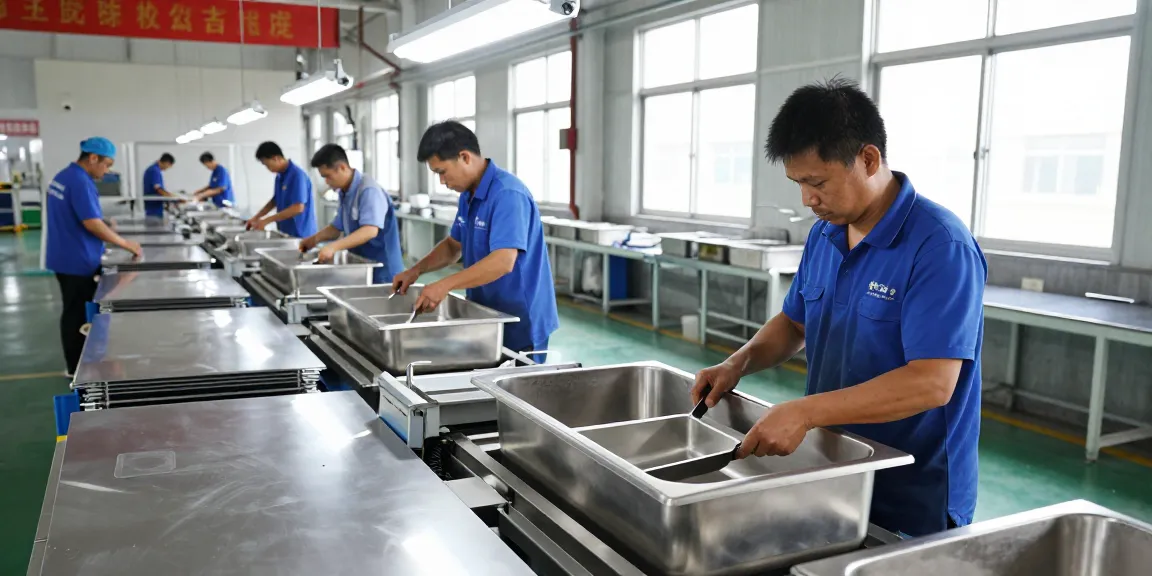
Understanding the Stainless Steel Basin Market
The stainless steel basin market is experiencing substantial growth, driven by advancements in manufacturing technology and rising consumer demand for durable kitchen and bathroom solutions. As a highly versatile material, stainless steel offers numerous benefits, such as resistance to corrosion, ease of maintenance, and aesthetic appeal. For businesses looking to delve into the specifics of sourcing and manufacturing, it’s essential to consider factors like quality and reliability. When exploring options, this stainless steel basin factory provides comprehensive insights on production capabilities and innovations.
Overview of the Stainless Steel Industry
The stainless steel industry plays a crucial role in global manufacturing, catering to various sectors such as construction, automotive, and kitchenware. The demand for stainless steel continues to surge, fueled by its advantageous properties. For instance, it maintains structural integrity in extreme temperatures and resists rust, making it a preferred choice in kitchen sink manufacturing.
Key Trends in Sink Manufacturing
Current trends in sink manufacturing emphasize customization and functionality. Manufacturers are adopting advanced technology like CNC machining and automated welding processes to enhance precision and efficiency. Moreover, consumer preferences are shifting towards multi-functional sinks that incorporate features such as built-in cutting boards and integrated soap dispensers. Sustainability is another critical factor, with many consumers opting for products made from recycled materials.
Consumer Preferences and Market Demands
As consumers become more discerning, their preferences are shaping the market dynamics. There is a noticeable pivot towards aesthetically pleasing designs that fit various kitchen styles, from modern minimalist to traditional farmhouse. Additionally, energy-efficient manufacturing practices and products that promote water conservation are increasingly being demanded. Manufacturers must stay attuned to these trends to remain competitive.
Choosing the Right Stainless Steel Basin Factory
Evaluating Factory Capabilities and Technologies
When selecting a stainless steel basin factory, it is essential to evaluate their manufacturing capabilities. This includes understanding the technology used in their production process. Factories employing cutting-edge machinery can typically produce higher-quality products with less waste, enhancing efficiency and reducing costs. Visiting factories in person or reviewing their certifications can provide insights into their operational standards.
Importance of Quality Control Standards
Quality control is paramount in the manufacturing process of stainless steel basins. Robust quality assurance protocols ensure that every product meets industry standards and customer expectations. This includes conducting regular inspections and testing for durability, finish quality, and resistance to corrosion. Factories that adhere to international quality standards like ISO 9001 demonstrate a commitment to excellence, which can be a deciding factor for buyers.
Cost Comparison and Value Assessment
Cost is always a significant factor when selecting a stainless steel basin factory. However, it’s important to differentiate between the initial cost and the long-term value of the product. Investing in higher-quality sinks may incur a greater upfront expense but can save money in maintenance and replacement costs over time. Potential buyers should conduct thorough market research and compare quotes while considering the value of craftsmanship and the reputation of the manufacturer.
Innovations in Stainless Steel Basin Manufacturing
Advanced Technologies Shaping Production
Technological advancements are revolutionizing the production of stainless steel basins. Innovations such as robotic welding and laser cutting enhance precision and reduce production times, allowing for greater scalability. Furthermore, 3D printing technology is starting to enter the industry, enabling the creation of bespoke sink designs that cater to specific consumer needs.
Eco-Friendly Practices and Sustainability
With the growing emphasis on sustainability, many stainless steel basin factories are adopting eco-friendly practices. This includes using recycled materials in the manufacturing process and implementing energy-efficient technologies to minimize their carbon footprint. Factories that prioritize sustainability not only contribute to environmental conservation but also appeal to environmentally conscious consumers.
Impact of Automation on Efficiency and Quality
Automation is significantly impacting the efficiency and quality of stainless steel basin production. Automated systems allow factories to maintain consistency in production and reduce human error. Increased efficiency leads to faster turnaround times and the ability to meet larger orders without compromising quality. As automation technology continues to evolve, it is expected to further enhance the industry’s productivity.
Challenges Faced by Stainless Steel Basin Factories
Supply Chain Issues and Material Shortages
The stainless steel basin industry is not without its challenges. Supply chain disruptions and material shortages can significantly affect production timelines and costs. Fluctuations in raw material prices, particularly for stainless steel, necessitate strategic procurement strategies to mitigate risks. Factories must develop robust relationships with suppliers to ensure a steady supply of quality materials.
Meeting Regulatory Compliance Standards
Compliance with industry regulations is critical for stainless steel basin manufacturers. Various standards govern product safety, environmental impact, and quality assurance. Factories that fail to comply with these regulations risk facing penalties and damage to their reputation. Staying informed about regulatory changes and implementing necessary adjustments is essential for ongoing operations.
Addressing Workforce Skill Gaps in the Industry
The industry is experiencing a significant skill gap as newer technologies emerge. Factories need to invest in training their workforce to adapt to advanced manufacturing methods. This includes developing skills in technology management, robotics, and quality control processes. By fostering a skilled workforce, manufacturers can enhance production quality and innovation.
Future Outlook for the Stainless Steel Basin Industry
Predictions for Market Growth by 2026
The future of the stainless steel basin market appears promising, with expected growth driven by rising consumer preferences and increasing construction activities. Analysts predict a compound annual growth rate (CAGR) of around 4-5% through 2026. Factors encouraging this growth include urbanization, the rise of home improvement projects, and an increasing focus on sustainable living.
Emerging Technologies and Their Impact
Emerging technologies such as artificial intelligence (AI) and the Internet of Things (IoT) are set to revolutionize the manufacturing landscape. These technologies can enhance design capabilities, streamline production processes, and improve customer engagement through personalized products. Factories that embrace these innovations will likely gain a competitive edge in the market.
Strategies for Competitive Advantage in Manufacturing
To maintain a competitive advantage in the stainless steel basin market, manufacturers must continuously innovate and adapt to changing consumer preferences. Strategies may include diversifying product lines, enhancing customer service, and leveraging digital marketing to reach broader audiences. By focusing on quality, sustainability, and technological integration, factories can position themselves favorably in a competitive landscape.
What are the benefits of choosing a stainless steel basin over other materials?
Stainless steel basins offer numerous advantages, such as durability, resistance to staining and corrosion, and a modern aesthetic. They are easy to clean, making them a popular choice in both kitchens and bathrooms. Additionally, stainless steel is recyclable, making it an eco-friendly option.
How can I identify a reliable stainless steel basin factory?
Identifying a reliable factory requires researching their reputation, quality certifications, and customer reviews. Visiting the facility and asking about their production processes and quality control measures can also provide insights into their reliability.
What production technologies are most effective in sink manufacturing?
Effective production technologies in sink manufacturing include robotic automation, CNC machining, and advanced welding techniques. These technologies increase precision, efficiency, and reduce the time to market.
How do market trends affect pricing for stainless steel basins?
Market trends, such as demand for sustainable products and customized designs, directly impact pricing. Increased demand can lead to higher prices, while technological advancements may result in cost reductions.
What role does customer service play in factory selection?
Customer service is a crucial consideration when selecting a factory. A responsive and knowledgeable customer service team can significantly enhance the buying experience, aiding in problem resolution and ensuring timely delivery of products.