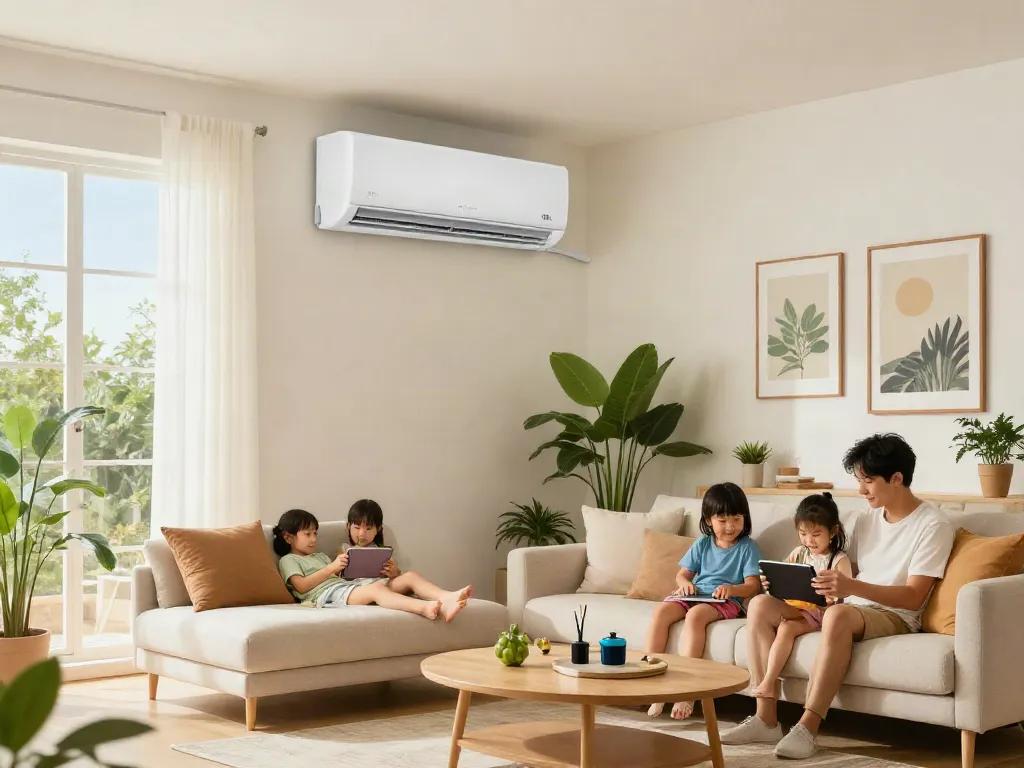
Understanding 18k Mini Splits: What You Need to Know
As energy efficiency becomes increasingly vital for homeowners, the 18k mini split has emerged as a prime solution for climate control in various sized spaces. These advanced systems offer numerous advantages, including effective heating and cooling capabilities, quiet operation, and flexibility in installation. This article is designed to provide you with comprehensive insights into what an 18k mini split system entails, its benefits, common misconceptions, and how to choose the right unit for your home.
What is an 18k mini split system?
An 18k mini split system, also known as an 18,000 BTU mini split, is a type of ductless air conditioning and heating unit that is designed to efficiently manage the climate of medium to large spaces, typically between 550 and 1,000 square feet. The “18k” refers to its cooling and heating capacity measured in British Thermal Units (BTUs). Unlike traditional HVAC systems that require ductwork, mini splits consist of an indoor air handling unit and an outdoor compressor unit, connected via refrigerant lines. This design not only saves space but also allows for more efficient air distribution throughout the home.
The benefits of choosing a mini split for home cooling
- Energy Efficiency: Mini splits typically boast high Seasonal Energy Efficiency Ratios (SEER), often exceeding 20, meaning they consume less electricity compared to traditional systems.
- Zoning Capability: Homeowners can install multiple indoor units to control temperatures in individual rooms, providing personalized comfort.
- Easy Installation: Mini splits do not require extensive ductwork, leading to quicker installation times and reduced labor costs.
- Quiet Operation: The indoor units of mini splits operate quietly, making them ideal for bedrooms and living areas.
- Versatility: They can be used for both cooling and heating, effectively providing year-round comfort.
Common misconceptions about mini split systems
Despite their growing popularity, several misconceptions about mini split systems persist. Some homeowners believe they are only suitable for small spaces or that they are too expensive to install. However, an 18k mini split can effectively cool or heat larger rooms and is often more cost-effective than installing ductwork for a traditional HVAC system. Additionally, advancements in technology have led to more affordable options, making them accessible to a broader range of budgets.
Choosing the Right 18k Mini Split for Your Home
Factors to consider when selecting an 18k mini split
When determining which 18k mini split system is right for your home, consider the following factors:
- Room Size: Ensure the BTU output matches the size of the space where it will be installed. An 18k unit is typically suitable for spaces up to 1,000 square feet.
- Energy Efficiency Ratings: Look for systems with high SEER ratings to maximize energy savings.
- Brand Reputation: Opt for brands known for reliability and customer support.
- Heat Pump vs. Air Conditioning: Some mini splits offer heat pump functionality, which may be ideal for colder climates.
Comparing top brands and models for 2026
As of 2026, several brands stand out in the market for 18k mini split systems:
- MRCOOL: Known for DIY-friendly options, their systems often feature high SEER ratings and come pre-charged for easier installation.
- Mitsubishi: Renowned for their reliability and efficiency, Mitsubishi units typically come with advanced features such as Wi-Fi connectivity and customizable settings.
- Pioneer: These systems are often more budget-friendly while still maintaining solid performance and efficiency ratings.
Installation options: DIY vs. professional service
Deciding whether to install your mini split system yourself or hire a professional depends on your comfort level with electrical and plumbing tasks. DIY installations can potentially save you money, but they require a good understanding of the system and local building codes. Conversely, professional services ensure the unit is correctly installed, which can extend its lifespan and maximize efficiency.
Installation and Maintenance of Your 18k Mini Split
Step-by-step installation guide for homeowners
If you choose to install your 18k mini split system, follow these general steps:
- Select the location: Choose a suitable spot for the indoor unit that allows for optimal airflow and accessibility.
- Drill a hole: Drill a hole through the wall for the refrigerant lines and electrical wiring.
- Mount the indoor unit: Secure the indoor unit according to the manufacturer's instructions.
- Install the outdoor unit: Place the outdoor unit on a stable surface, ensuring proper clearance.
- Connect lines and power: Connect the refrigerant lines and electrical wiring per the installation manual.
- Test the system: Once installed, turn on the system and check for leaks and proper functionality.
Best practices for maintaining your mini split system
To ensure optimal performance and longevity of your mini split system, implement the following maintenance practices:
- Regular Filter Cleaning: Clean or replace filters every 1-3 months to maintain airflow and efficiency.
- Inspect the Outdoor Unit: Check for debris around the outdoor compressor unit and ensure it is clear.
- Schedule Professional Maintenance: Have a qualified technician inspect your system annually to ensure proper operation.
Signs that indicate your unit needs servicing
A few warning signs may suggest it’s time to service your mini split unit:
- Reduced cooling or heating performance
- Unusual noises or vibrations during operation
- Frequent cycling on and off
Cost Considerations for 18k Mini Splits in 2026
Understanding the upfront vs. long-term costs
When budgeting for an 18k mini split system, it's essential to consider both initial costs and long-term savings. The price of the unit can range significantly based on brand and features, typically between $1,200 to $2,500 for the unit alone, excluding installation. However, the energy savings and lower maintenance costs can make this investment worthwhile over time.
How to budget for installation and maintenance
When budgeting, factor in installation costs which can vary from $500 to $2,000 depending on local labor rates and installation complexity. It's also wise to set aside a yearly budget for maintenance, typically around $100 to $300, to cover periodic professional inspections and repairs.
Exploring financing options for energy-efficient systems
Many manufacturers and suppliers offer financing options for energy-efficient systems. Consider investigating local incentives, rebates, or energy tax credits that can offset the costs associated with installing an 18k mini split.
Future Trends in Mini Split Technology
Innovations to expect in mini split systems
As technology evolves, we can anticipate several innovations in mini split systems, such as improved energy efficiency ratings, integration of IoT technology, and enhanced design aesthetics. Expect more models to feature built-in smart home compatibility, enabling remote control through smartphones and voice assistants.
The impact of smart home technology on air conditioning
Smart home technology is revolutionizing HVAC systems, including mini splits. Homeowners can customize their cooling and heating preferences, set schedules, and receive alerts about system performance, leading to greater efficiency and convenience.
Environmentally friendly options for 18k mini splits
With growing awareness about environmental sustainability, many manufacturers are focusing on eco-friendly refrigerants and energy-efficient technologies in their 18k mini split models. Look for units with ENERGY STAR certifications to ensure you are making an environmentally sound choice.
What is the ideal room size for an 18k mini split?
The ideal room size for an 18k mini split system typically ranges between 550 and 1,000 square feet. However, factors such as ceiling height, insulation quality, and local climate can also influence the effectiveness of the unit. It's always recommended to consult with a professional to accurately calculate the appropriate BTU rating for your specific room dimensions.
How energy-efficient are 18k mini splits compared to traditional systems?
18k mini splits are generally more energy-efficient than traditional HVAC systems. Mini splits often have higher SEER ratings, indicating they use less electricity for the same cooling or heating output. This efficiency translates to lower energy bills and a reduced carbon footprint over time.
Are 18k mini splits suitable for heating as well as cooling?
Yes, many 18k mini split models function as heat pumps, providing both cooling in the summer and efficient heating in the winter. This dual functionality makes them an excellent year-round climate control solution for homes.
What maintenance tasks can homeowners perform themselves?
Homeowners can perform several maintenance tasks themselves, including cleaning or replacing filters, checking for obstructions around outdoor units, and inspecting the indoor units for any visible issues. Regularly scheduled maintenance tasks will help keep your mini split running efficiently.
How can I improve the efficiency of my mini split system?
To improve the efficiency of your mini split system, maintain clean filters, ensure indoor and outdoor units are unobstructed, and consider investing in smart thermostats. Controlling the temperature settings according to usage patterns can also enhance overall system efficiency.