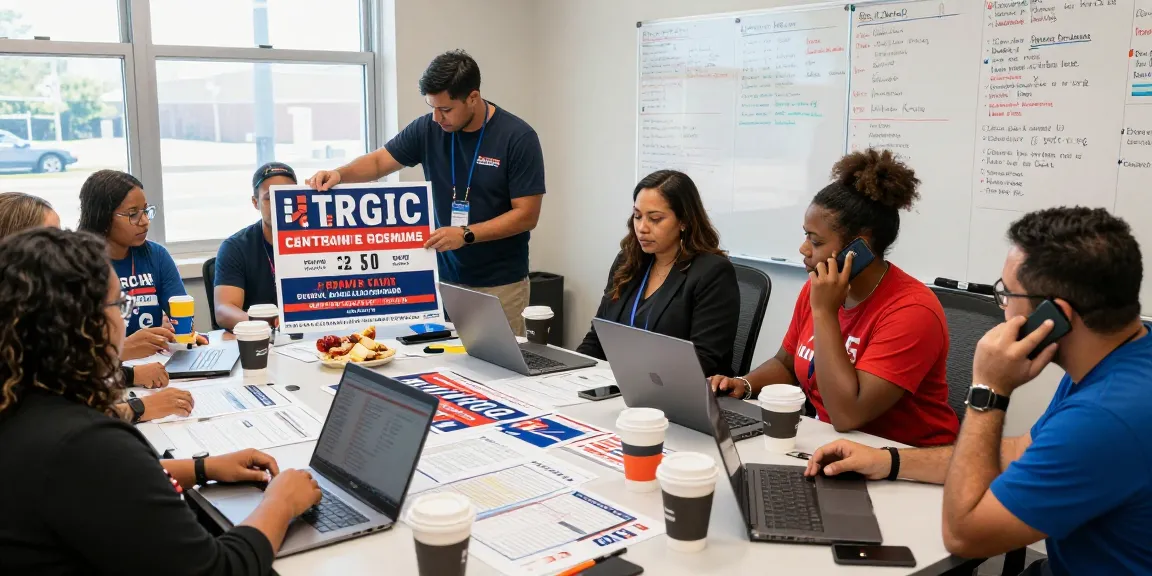
Understanding Political Direct Mail Costs
Direct mail has long been a staple of political campaigns, providing candidates with a tangible method of reaching voters directly in their homes. Understanding the costs associated with political direct mail is crucial for any campaign looking to optimize its outreach and impact. From determining political direct mail cost per piece to exploring effective strategies for design and messaging, this guide delves into the essentials for crafting a successful direct mail campaign.
What is Political Direct Mail?
Political direct mail refers to printed materials sent via postal service to targeted voters as part of a political campaign strategy. This can include everything from flyers and brochures to postcards and election ballots. The objective is straightforward: to inform voters about a candidate, a specific issue, or to encourage voter turnout. Unlike digital marketing, which can be ephemeral, direct mail creates a physical connection with voters, allowing for repeated exposure over time.
Factors Influencing Cost per Piece
Several factors determine the political direct mail cost per piece, including:
- Design: The complexity and creativity of the design directly impact costs. A professionally designed piece will generally cost more but can yield higher engagement.
- Print Quality: The choice of paper stock, color quality, and printing methods can all affect the overall price.
- Mailing List: Costs will vary based on the specificity of the targeted mailing list. A well-curated, localized list is often more effective but may come at a higher cost.
- Volume: Printing larger quantities can lower the per-piece cost due to economies of scale.
- Postage: The size and weight of the mail piece dictate postage costs, which can add significantly to the total expense.
Comparing Mailing Methods: Digital vs. Direct Mail
While both digital and direct mail marketing have their merits, understanding the unique advantages and limitations of each is key to developing a comprehensive campaign strategy. Digital marketing offers rapid deployment and extensive reach at a lower cost, making it attractive for many campaigns. However, direct mail often has higher engagement rates, as voters tend to pay more attention to physical mail compared to digital ads that can be easily ignored.
Calculating Your Campaign’s Direct Mail Budget
Budgeting for direct mail campaigns requires a detailed understanding of the costs involved and careful planning to avoid overspending. Establishing a realistic budget involves considering all aspects of the campaign, from initial design to final delivery.
Setting a Realistic Budget for Direct Mail
To set an effective budget, begin by assessing your overall campaign budget and allocating a specific percentage to direct mail. It’s essential to factor in all costs associated with the campaign. This includes design fees, printing costs, postage, and additional expenses like list acquisition and tracking metrics.
Top Cost Considerations for Political Campaigns
Key considerations that can affect overall costs include timing and urgency. Campaigns that require faster turnaround times might incur additional fees for expedited printing and shipping. Additionally, seasonal factors can influence postage rates, especially during tight election cycles.
Volume Discounts and Savings Opportunities
Most printing companies offer volume discounts for larger orders, which can significantly influence the overall cost per piece. Understanding the thresholds for these discounts can help campaigns maximize their budgets. Additionally, exploring pre-printing and seasonal deals can yield savings that allow for more extensive outreach.
Design and Content Strategies for Effective Direct Mail
Once you have a solid budget and understanding of costs, the next step is creating effective direct mail pieces. The design, messaging, and delivery all play critical roles in achieving campaign goals.
Creating Eye-Catching Designs that Convert
The design of your direct mail piece is often the first interaction a voter will have with your campaign. Utilizing bold colors, striking images, and clear typography can capture attention. It's important to consider the target demographics when designing to ensure the message resonates.
Key Messaging for Voter Engagement
Strong, clear messaging is critical in direct mail. Highlighting key issues and positions can attract voter attention. Personalizing mail pieces with relevant information or direct appeals can further enhance engagement rates. The messaging should evoke emotion and encourage positive action, such as voting for a particular candidate or supporting a specific policy.
Integrating Calls-to-Action in Your Mail Pieces
Every piece of direct mail should include a clear call to action (CTA). Whether it’s directing voters to a campaign website, encouraging them to vote on a specific date, or inviting them to a local event, a well-articulated CTA is vital for converting interest into action.
Case Studies: Successful Campaigns Using Direct Mail
The effectiveness of political direct mail can often be best illustrated through real-world examples. Analyzing successful campaigns can provide insights into best practices and strategies that work.
Analysis of Winning Campaign Strategies
For instance, a gubernatorial candidate in a swing state effectively used direct mail to highlight community issues, tailoring messages based on district-specific data. This strategy increased voter turnout by appealing directly to local concerns.
How Data Informed Direct Mail Decisions
Utilizing data-driven insights allowed campaigns to craft more targeted messages, ensuring that the mail reached voters who were most likely to respond positively. Campaigns that incorporated demographic data often saw better engagement rates compared to those using a one-size-fits-all approach.
Lessons Learned from Direct Mail Campaigns
Successful campaigns also emphasize the importance of testing various designs and messaging techniques. A/B testing different versions of mail pieces can lead to discovering which elements resonate most with voters and refining strategies for best results.
Future Trends in Political Direct Mail
The landscape of political direct mail is continually evolving. Staying ahead of trends can ensure a campaign remains relevant and effective in its outreach efforts.
Evolving Practices in Mail Campaigns for 2026
As technology continues to advance, expect to see more data integration in direct mail campaigns. Using analytics to inform timing, messaging, and even geographic targeting will become increasingly vital.
Sustainability Trends Impacting Direct Mail
Another growing trend is sustainability. Voters appreciate environmentally conscious practices, prompting campaigns to consider eco-friendly materials and processes in their direct mail strategies.
Technological Enhancements in Mail Tracking
Finally, enhanced tracking methods will allow campaigns to better gauge the effectiveness of their direct mail efforts. Understanding which pieces drive responses can provide insights that shape future outreach initiatives.
What are typical costs associated with political direct mail campaigns?
Typical costs can range widely based on multiple factors including design, printing quality, and mailing lists. Generally, campaigns can expect to pay anywhere from $0.50 to $3.00 per piece, depending on these variables.
How can I optimize my direct mail design?
Optimize your design by ensuring it is visually striking, clearly communicates the message, and includes a compelling call-to-action. Testing different designs and gathering feedback can further refine effectiveness.
What metrics should I track for direct mail success?
Key metrics to track include response rates, conversion rates, and ROI calculations. These insights can influence future budget allocations and design strategies.
Is digital marketing better than direct mail for political campaigns?
Both digital marketing and direct mail have their advantages. Digital campaigns are often more cost-effective and can reach a broader audience quickly, while direct mail often achieves higher engagement rates due to its tangible nature.
How do I measure the ROI of my direct mail campaigns?
To measure ROI, compare the costs of the campaign against the outcomes achieved, such as increased voter turnout or campaign contributions. Detailed tracking of responses provides valuable insight into the effectiveness of your direct mail efforts.